
תגית: Rituals
-
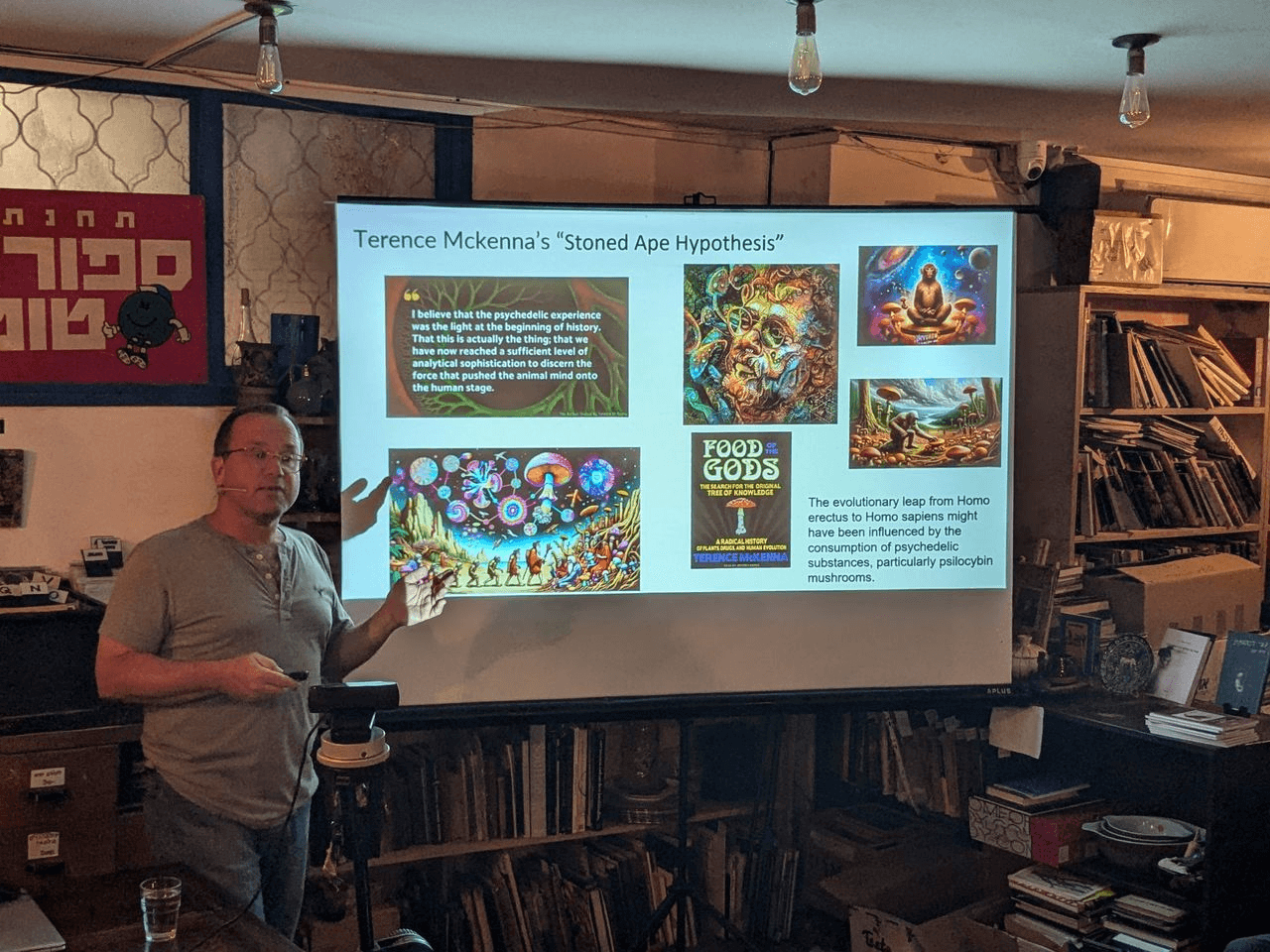
The trigger of the prehistorical man to use drugs
Yesterday, the "Temple of Consciousness" series began with a wonderful lecture by Prof. Ran Barkai from the Department of Archaeology at Tel Aviv University. The lecture discussed psychedelic experiences during the Paleolithic period, focusing on caves as "doors of perception" or "portals" for communicating with the cosmos and the world beyond. It was suggested that…
-
Ancient Phrygian Sacred Sites Uncovered at Midas Castle
During excavations at the Midas Castle in Eskisehir, Turkey, archaeologists uncovered remnants of structures from the Phrygian period, dating back to approximately 800 BCE. The findings include ancient ovens, an open hearth, and rock-carved basins—all serving as evidence that the site was used for ceremonial events, such as ritual feasts and animal sacrifices. Additionally, a…
-
Lion Man: The oldest known evidence of religious belief in the world
The Lion Man statuette, discovered in 1939 in a German cave, is an ivory figure approximately 31 cm tall, combining human and lion features. Dating back around 40,000 years, the statuette is considered highly significant due to the intricate craftsmanship involved in its creation, which is estimated to have taken about 400 hours using ice…
-
oldest known culturally transmitted ritual in the world
Archaeological discoveries at Cloggs Cave in southeastern Australia have uncovered evidence of an ethnographically documented Australian Aboriginal ritual, which appears to have taken place over the last 12,000 years across 500 generations. This is the earliest recorded living ritual. The findings include miniature fireplaces and oil-smeared sticks, dated to the last ice age. There is…
-
The Temporality of Festivals
The book "The Temporality of Festivals", edited by Anke Walter as part of the Chronoi series, is now available for free download. This book delves into the unique temporal aspects of festive times in ancient societies. It explores how festivals manage to make time "special" and imbue it with meaning that encompasses the past, present,…
-
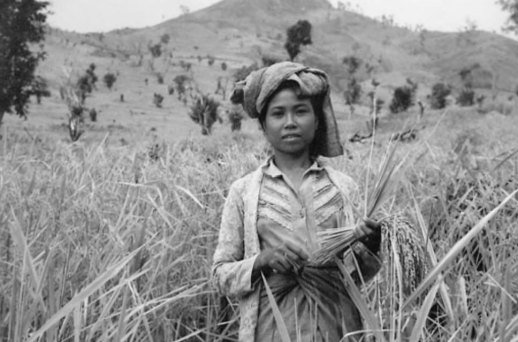
Rice as a living entity
In Indonesia there is an island called Sumbawa where a people called the Bimanese live, which is divided into several groups. Historically, the groups living in the coastal lowlands converted to Islam and became fervent adherent Sunni Muslims, but the groups living in the mountains are more conservative in their folk traditions. The British anthropologist…
-
Roman's Hyoscyamus niger seeds residues for bathhouses use?
A few days ago it was announced that researchers discovered a hollowed bone with black henbane (Hyoscyamus niger) seeds in a Roman colony in the Netherlands, and the researchers concluded that the seeds were packed and sealed on purpose, although it was not clear to them for what purpose, and they assumed that it was…
-
The Mysteries of the Enaree: The Androgynous Shamans of the Scythians
Who were the Anarya – the Scythian shamans who were born male, castrated, behaved as women, abstained from heterosexual sex, underwent initiation through passive anal sex, and engaged in fortune-telling while soaking in a cannabis vapor bath? It is not for nothing that it mentions the Kdeshim in the Asherah temples. The Anarya worshiped the…
-
Shamans in Sri Lanka go on strike
In the south of Sri Lanka in a village called Seenigama there is a temple called Seenigama Devalaya (literally translated "sugar village"). The temple is for a god named Devol who is considered a patron of travelers, and as part of his worship people come to the temple to give him an offering and in…