
תגית: magic
-
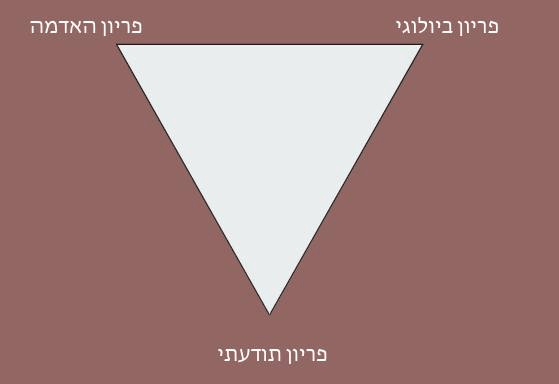
Entheogens as "key plants" and "threshold plants"
Religious ritual actually developed out of the admiration for technology. Humanity discovered that it was capable of controlling the forces of nature, and what was missing was only the ability to do so on demand. Through trial and error came successes, and these actions turned into something like magic shows. Originally, magic was perceived almost as…
-
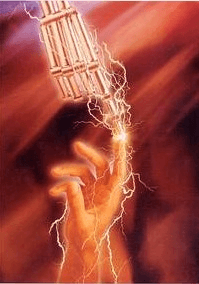
Myth-Ritual theory and the religion as a primitive science
Throughout history, human beings have sought to understand their world and to control it – from comprehending the cycles of nature, to coping with anxiety and death, to preserving social order. Before the advent of modern science, the central tools of human culture were myth and ritual. The question, of course, is which came first –…
-
Ancient love spells
Love spells were quite common in the Roman period, as evidenced by the large number of magical papyri discovered, particularly in Roman Egypt between the third and fifth centuries CE. Additionally, historical records of the burning of magical books suggest that authorities feared both the practice and its widespread influence. Legally, love spells were considered illegal…
-
Ancient Christianities and the role of magic
A new book by Paula Fredriksen deals with the first 500 years of Christianity. Chapter 7 focuses on pagan practices within early Christianity and the struggle against them. It describes Christian exorcism rituals that, from the outside, might have appeared similar to pagan ones. This ritual often involved commands directed at demons and healing through…
-
Entheogenic Gnosticism?
Tom Hatsis is a historian specializing in psychedelia, witchcraft, magic, pagan religions, and alternative Christianities, focusing on the cultural intersections of these areas. He holds a master's degree in history from Queens College, Cambridge. Hatsis is the author of books such as "The Witches' Ointment" and "Psychedelic Mystery Traditions" and promotes up-to-date information on the…
-
Book: magic and religion on the shores of the Mediterranean in antiquity
A new book published in November examines aspects of magic and religion on the shores of the Mediterranean in antiquity, and in particular ways in which religious and mythical ideas, including the knowledge and practice of magic, were transmitted and adapted over time throughout Greco-Roman cultures, the Near East and Egypt through the exchange of…
-
Was Jesus a magician?
Was Jesus a magician? Depends on who you ask. Depends on how you define magic. Depends on how you define a miracle. Depends on how you define a sorcerer. Once upon a time, a sorcerer was also just a person who practiced medicine, when he used holy names. Depends on whether exorcism was once considered…
-
P.D Newman's "Theurgy – theory and practice"
Theorgy is a practice through which one works on God. Unlike magic, the practitioner does not force God to act and does not manipulate him, it is not that God lacks man's action and through it man corrects him (as some of the ancient religions claimed in the act of sacrifice), but simply theorgy is…
-
British university offers master’s degree in magic and the occult
Starting in september 2024, an interdisciplinary master's degree course in the sciences of witchcraft and the occult will be opened at the University of Exeter in england. The degree will rely on courses in history, literature, philosophy, archaeology, sociology, psychology, drama and religion and will explore the role of witchcraft and magic in the various…
-
the occulted meaning of "root cuttings" in the book of Enoch
In the book of Enoch, the transmission of magical knowledge is attributed to humans, to the fallen angels, led by Samyaza, "and they began to go in unto them and to defile themselves with them, and they taught them charms and enchantments, and the cutting of roots, and made them acquainted with plants" (Enoch I,…