
תגית: Israel
-
Shaman’s Tomb with Six Fingers Found in Motza
A new study published in Atiqot, the journal of the Israel Antiquities Authority, summarizes excavations conducted between 2018 and 2020 as part of preparations for Highway 16. The study reveals one of the largest settlements from the Pre-Pottery Neolithic B period (7,100–6,700 BCE). The research was led by Dr. Hamoudi Khalaily, Dr. Ianir Milevski, and…
-
The purpose of Rujm el Hiri was not astronomical
Rujm el-Hiri (also known as "Gilgal Refaim") is an impressive and mysterious archaeological site in the Golan Heights, located near Moshav Yonatan. It is one of the most fascinating and unique sites in Israel from both an archaeological and historical perspective. In Arabic, its name means "the stone heap of the wild cat" or "the leopard."…
-
Desert Kites: Ancient Hunting Tools and Their Cultural, Ritual, and Ecological Significance
Desert kites are ancient structures designed as highly efficient tools for the mass hunting of animals. These structures feature long stone walls arranged in a funnel shape, guiding animals toward a central trapping point—usually a deep pit or steep slope—where the prey was captured. The kites were carefully constructed to utilize natural terrain features, such as…
-
37,000-Year-Old Ritual Ceremony Unearthed in Manot Cave: Earliest Evidence in the Middle East
Evidence of a ritual ceremony conducted in the depths of a stalactite cave 37,000 years ago—the earliest such evidence discovered in the Middle East—has been uncovered in Manot Cave in the western Galilee. The study, led by Omry Barzilai of the University of Haifa, was published today in the journal Proceedings of the National Academy of…
-
5,000-year-old settlement shows evidence of early urbanization in Israel
In archaeological excavations at Khirbet Husham near Beit Shemesh, conducted by the Israel Antiquities Authority, a settlement from the Early Bronze Age, approximately 5,000 years old, was uncovered. The site includes a public ritual structure containing around 40 artifacts preserved in their original condition as they were placed before the site was abandoned. These items,…
-
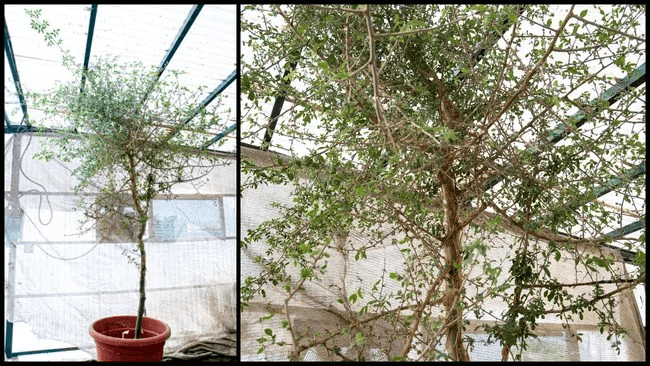
Israeli and International Researchers Germinate 1,000-Year-Old Commiphora Seed from the Judean Desert
Israeli and international researchers successfully germinated a seed from the Commiphora species, found in a cave in the Judean Desert and dated between 993 and 1202 CE. They believe that the plant may be related to species mentioned in the Bible, likely the "tsori" or "Balm of Gilead," a resin historically used for medicinal purposes.…
-
Challenging Dan McClellan debunk of the Cannabis in Incense Myth
Dan McClellan is a Bible scholar who publishes videos in which he confronts misinformation about academic Bible and religion research. This time, he tackles the claim that the biblical incense included cannabis. According to McClellan, this claim is based on findings from the temple at Tel Arad and relies etymologically on the similarity between the…
-
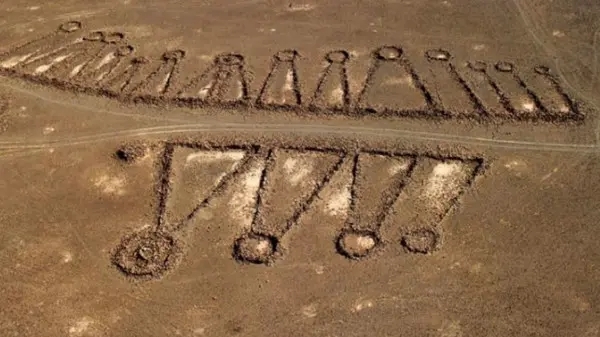
The volcano cult of the ancient Israelites
Israel Knohl publishes a new book in which he compares two stories of receiving the Torah. The first is receiving the Torah from a source of water (a spring), which in the Torah is mentioned as water of "Massah and Meribah" (Exodus 17, also: Exodus 15 as "Marah"). The second is receiving the Torah near…
-
Adam Zertal's "God's feet – how we discovered the Gilgals in the Jordan Valley"
Adam Zertal was an Israeli archaeologist who participated in the survey of Judea and Samaria after the Six Day War, and was behind some controversial discoveries such as the discovery of the Joshua temple on Mount Ebal. Before his death in 2015, he was behind another controversial discovery when he discovered 6 sites shaped like…