
תגית: domestication
-
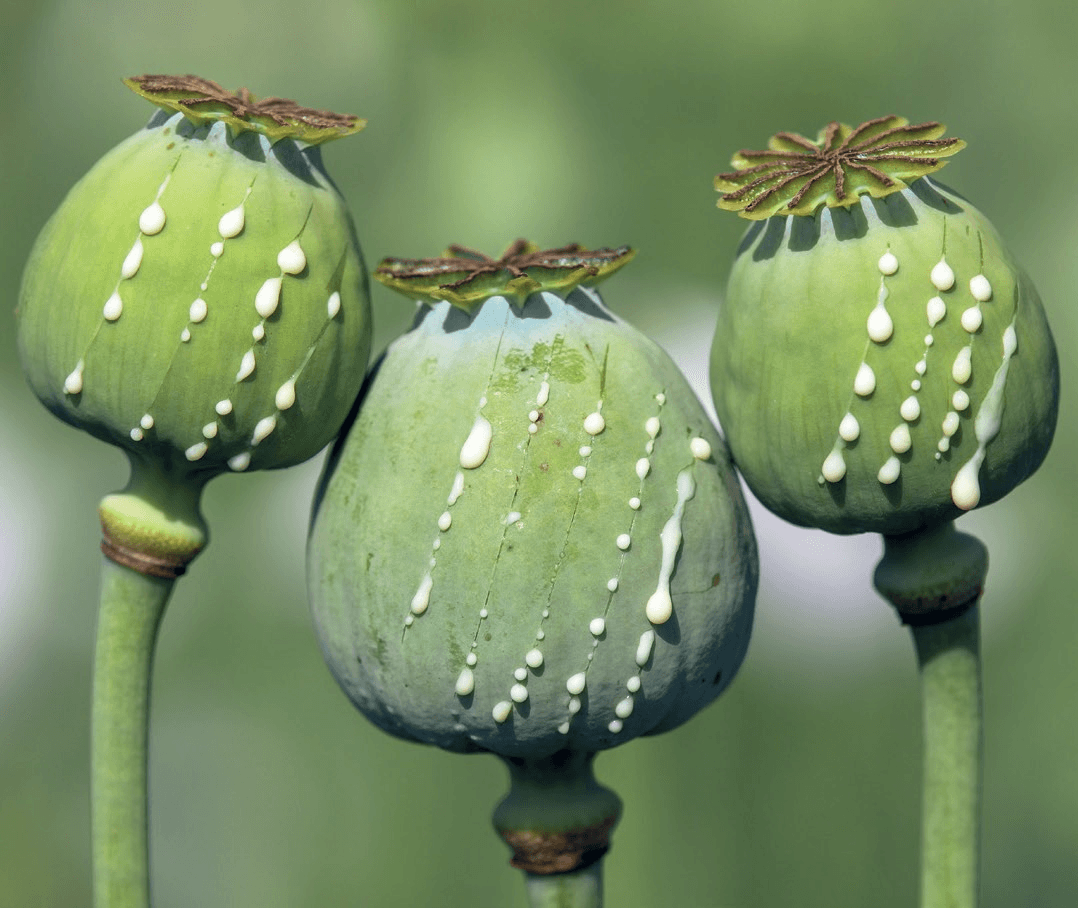
Early history of the poppy
The opium poppy (Papaver somniferum) is a domesticated species. It has no wild counterpart. In other words, it was created by humans—whether through hybridization, selection, or encouraging mutations. It is considered one of the earliest agricultural species to undergo a process of “primitive genetic engineering,” alongside wheat, barley, and coca. Most botanists agree that its…
-
sheep evolution as a function of human migration
How Has the Genetics of Domesticated Sheep Changed Over 11,000 Years, and How Have Human Migrations, Agriculture, and Artificial Selection Shaped Their Evolution from Domestication to the Bronze Age? Sheep have been an integral part of human life since prehistoric times. Beyond being a source of meat, they provided protein-rich milk and wool, which served…
-
Tracing the Domestication of Opium: From Wild Poppy to Ritual and Trade in Prehistoric Cultures
The story of opium domestication is a complex process that can be traced through changes in the genetics and morphology of its seeds over thousands of years. The poppy began as a wild plant native to the western Mediterranean region, specifically the coasts of Catalonia. Initially, it was harvested by prehistoric cultures as part of a…
-
How Horses Shaped Human Civilization and Consciousness
William T. Taylor is an anthropologist at the University of Colorado Boulder and curator at the university’s Museum of Natural History. He studies the relationship between humans and horses from various perspectives, including historical, archaeological, and anthropological angles. Coming from a family of cowboys, Taylor connected to his heritage through his research on horses. This…
-
Could horses have been domesticated later than we thought?
Archaeologists from the University of Colorado challenge the claim that the Yamnaya were among the first to invent horseback riding in the fourth millennium BCE, as suggested by the Kurgan hypothesis. The studies argue that one cannot rely solely on changes in human skeletal remains to determine early horseback riding, as these changes may result…
-
Primitive Science and Sacred Rituals: The Evolutionary Significance of Food in Human History
The homo-sapiens has two things that are important to them: spreading their seed, according to evolutionary theory, and preserving their life, which is also a kind of evolutionary theory, because if they don't preserve their life, they can't spread their seed. To preserve your life, you need to avoid dangers, but mainly to find food.…
-
The Two Tales of Horse Domestication
A new study in "Nature" suggests that horses were domesticated twice. The first attempt failed, and only the second attempt, 1000 years later (around 2200 BCE), succeeded. More precisely, there were two lineages of domesticated horses, but only the later lineage, the one that exists today, dominated the world. The "original" lineage, called Botai horses…
-
A bit about the evolution of cannabis
The origin of cannabis dates back 28 million years. Tectonic plate activity, which caused geological folding as a result of the penetration of the Indian subcontinent into Asia, contributed to the flourishing of cannabis by creating a comfortable habitat for it. Cannabis thrives in open, treeless habitats such as the Tibetan Plateau. From there, it…
-
the evolution of the rooster through domestication
On Shabbat tractate of babylonian talmud 30b it is said: "Rabban Gamaliel sat down and preached: [In the days of the Messiah] a woman will come who will give birth every day, as it is said (Jeremiah 31:8) 'She will conceive and give birth together'. Same disciple mocked him, and said, 'There is nothing new…