
קטגוריה: english posts
-
Wolves worship in the indo-european religion
The Romanians also have a deep and ancient connection with wolves and "werewolves" that is worth reading about. The Dacians called themselves wolves and saw the werewolf as their protector. In ancient Greece, there was a mountain called Lykaion or "Wolf Mountain", on the slopes of which a religious ceremony called Lykaia (Greek: Λυκαία) was…
-
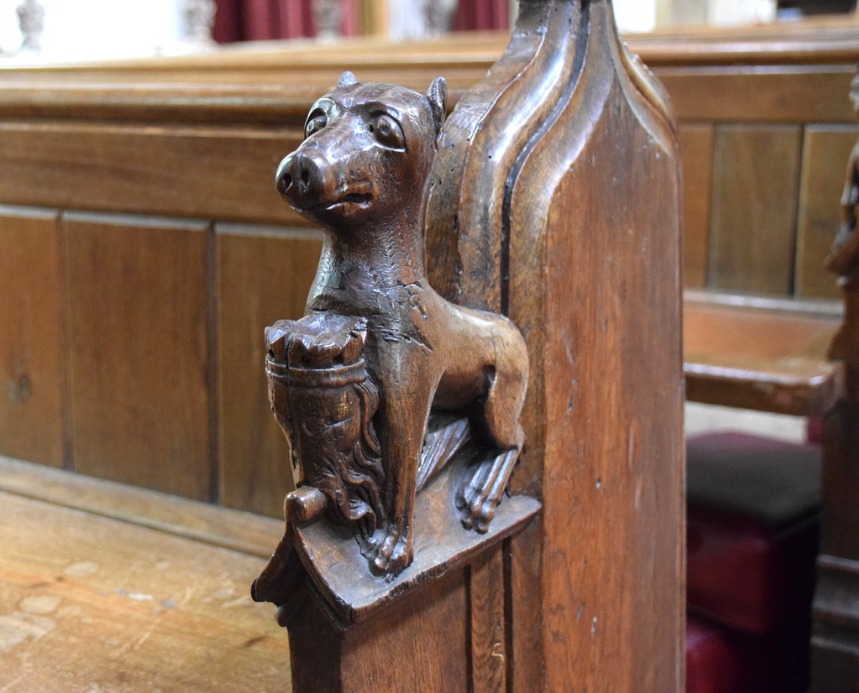
The Anglo-saxon wolf worship
The English ancestors, by necessity of being Germanic, adored the wolves. They saw in them the power of the wild, and the guardians of nature. But it turns out that at some point, evidently a Christian influence, since Christianity saw the wolf and the wild in general as a symbol of evil, the admiration for…
-
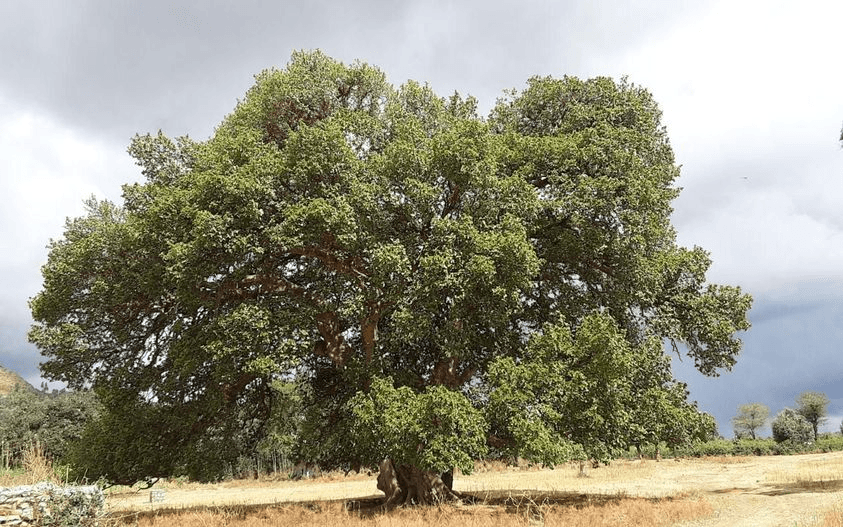
the oromo and the sycamore
The Oromo people in Ethiopia worship the sycamore tree. The Oromo refer to this tree as the Odaa. For the Oromo, Odaa has spiritual and ecological significance as a site for political assemblies, religious worship and cultural ceremonies. In terms of politics, the sycamore tree played a key role in the traditional Oromo government system,…
-
early piercing in the Pre-Pottery Neolithic
11,000-year-old stone jewelry provides the earliest evidence of body piercing. Researchers from Ankara University excavated a pre-ceramic Neolithic site in eastern Turkey, Bunçuklu Tarla and found the remains of jewelry alongside skeletons. The jewelry, mostly made of limestone, obsidian or pebbles, was placed in part next to the ears and chins of the skeletal remains,…
-
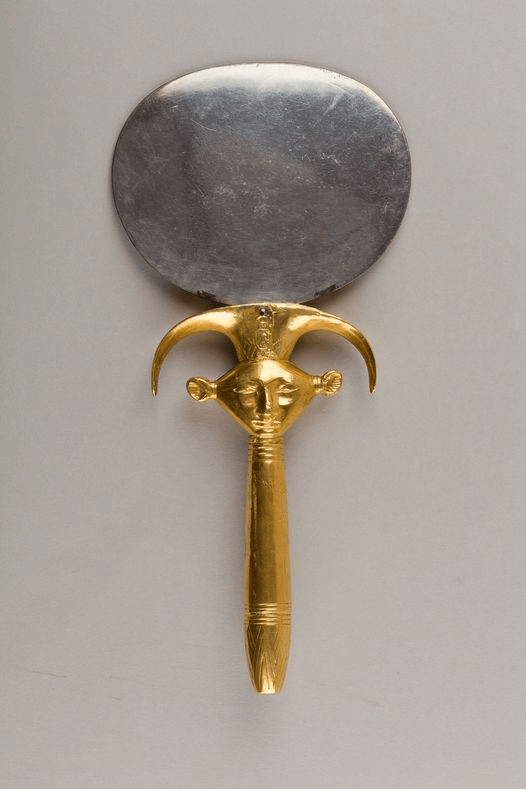
Sex toys were given as a donation to the tabernacle?
In this week's portion "Vayakhel" it is told about the donation of the Israelites and the building of the tabernacle, and it is said that the basin in the Tent of Meeting was built from the mirrors donated by the women who were gathering at the entrance of the Tent. The word for "gathering" is…
-
A revisited history of cacao domestication in pre-Columbian times
Not much is known about the domestication of cacao beyond the fact that the first to use it were the Olmecs who passed their knowledge to the Mayans, who used it in shamanic rituals (the literal translation of the scientific name of the cacao is "the food of the gods", Theobroma cacao). It is also…
-
8,600-year-old bread found
Researchers from Necmettin Erbakan University discovered that the remains found in an object discovered in Çatalhöyük were dough bread, from 8,600 years ago, which is considered the oldest known bread in the world. Coincidentally or not, Çatalhöyük is considered to be the oldest urban settlement in the world, and during the Neolithic period in question,…
-
Tattooing has held a long tradition in Christianity − dating back to Jesus’ crucifixion
In the Old Testament it is written that tattooing is forbidden, but they probably meant that in the context of idolatry it is forbidden, but if it is a tool for personal expression then there is no problem. And so, it turns out, early Christians would tattoo Christian symbols on themselves. They would see it…
-
Archaeologists have revealed a major production Tyrian Purple site in Tel Shiqmona
A study by researchers from the University of Haifa published in the journal of the Tel Aviv Institute of Archeology: During a significant part of the Biblical Iron Age, starting from approximately 1150 BC until 600 BC, Tel Shiqmona (Haifa coast) was not used as a residential settlement as believed In the past, but as…