
קטגוריה: english posts
-
the evolution of the rooster through domestication
On Shabbat tractate of babylonian talmud 30b it is said: "Rabban Gamaliel sat down and preached: [In the days of the Messiah] a woman will come who will give birth every day, as it is said (Jeremiah 31:8) 'She will conceive and give birth together'. Same disciple mocked him, and said, 'There is nothing new…
-
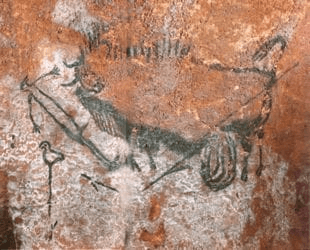
The shaman's "dream erection"
"A 15,000-year-old dreamer and the appearance revealed in his dream. A wall painting from the Lascaux cave in France apparently depicts a shaman, with a bird at his side, attacking his prey with spiritual weapons. One should pay attention to the shaman's erection, a characteristic phenomenon of a dream-sleep" From: Dreaming, Julia and Derek Parker.…
-
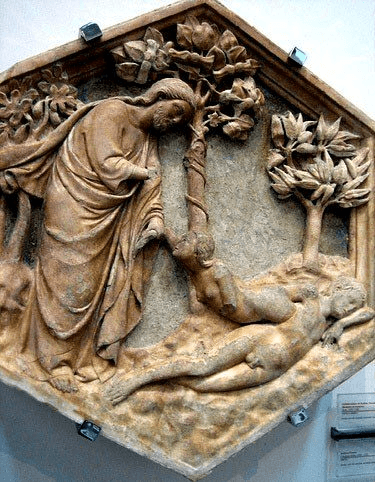
the ecstasy of Adam
Another "proof" that Christianity was in its beginning a psychedelic religion: in the scene of the creation of woman from the man's rib (Genesis 2:21), it is said "and God made adam fall asleep and he slept and took one of his ribs and closed flesh under it". However, the Septuagint translates the word "fall…
-

Mushrooms as the divine semen
n Chapter 5 of "The Sacred Mushroom and the Cross", John Marco Allegro argues that our ancestors venerated mushrooms because they couldn't understand what caused them to grow. They saw no seed fertilizing them and, of course, had no concept of spores. This phenomenon was perceived as a kind of "virgin birth", and Allegro draws…
-
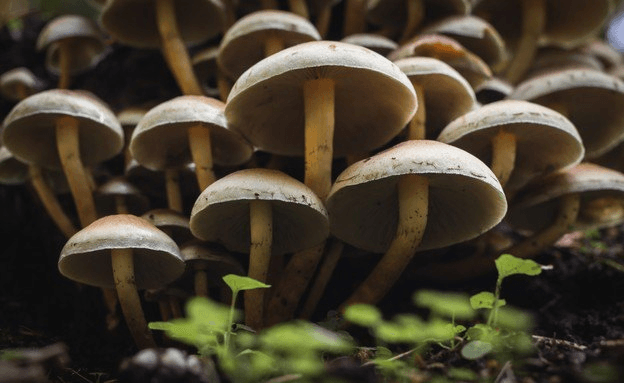
Mushrooms as a fertility symbol
Throughout history mushrooms have symbolized fertility in various cultures due to their rapid growth and reproductive abilities. And they became sacred symbols for various fertility gods. The fact that mushrooms would grow out of nothing made the ancients wonder. They thought that the mushroom, which is a plant, has no seeds and considered the formation…
-

Saffron as a sacred plant
The first known reference to saffron dates from around 2300 BC in the "Legend of Sargon of Akkad", a Mesopotamian work that describes the birthplace of the founder of the Akkadian Empire as "the city of saffron". Saffron was first domesticated in Greece in 1700 BC, according to a 2022 study. This is supported by…
-
The Cause of Nadav and Avihu’s Death: Incense Smoke?
Dr. Sheila Keiter of UCLA suggests that Nadav and Abihu (correct: Avihu), the sons of Aaron, who died from the sacrifice of "strange fire", actually died from an overdose of drugs, i.e. poisoning. After their deaths, God warns that the priests must not consume wine before they serve in the tabernacle. A sign that this…
-
The historical Amazons of Azerbaijan
According to findings of women's graves with weapons from 4000 years ago in Azerbaijan, it seems that the myths about the Amazons are true. The skeletons were found signs indicating the use of archery and horse riding. The weapons and jewelry in the graves indicate their social status. In the villages in the area of…
-
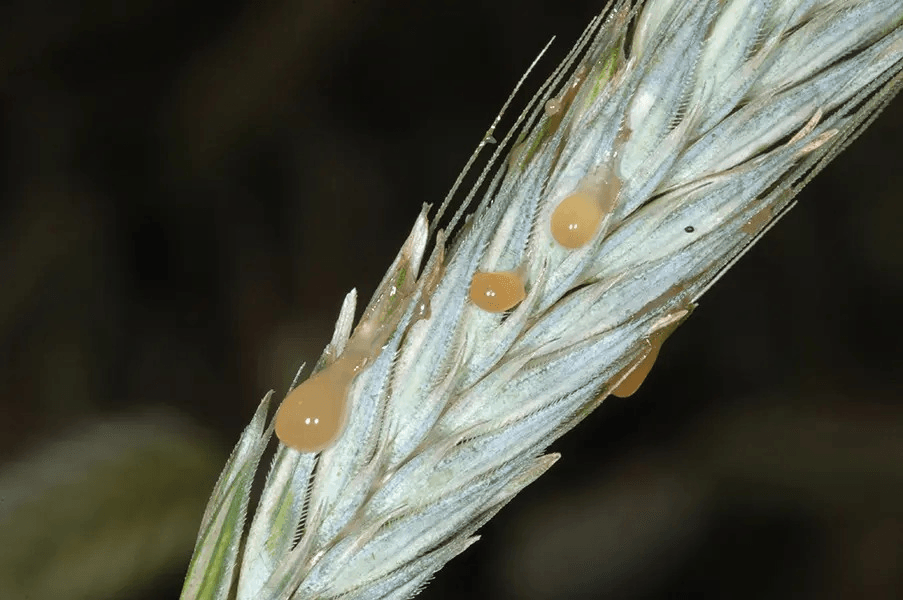
The ergotic "gift offering"
Among the sacrifices in the temple there is one sacrifice that is generally considered an appendage, in part because it usually comes next to another animal sacrifice. Usually when we write about a sacrifice we also talk about an its "grain gifts and pourings" (Numbers 28-29), as if it were a part of the sacrifice…
-
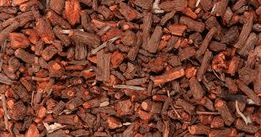
Plant-based red colouration of shell beads 15,000 years ago in Kebara Cave, Mount Carmel
Evidence of the use of a red organic pigment about 15,000 years ago was discovered in the Kebara Cave in the Mount Carmel area by researchers from the Hebrew University. This is the earliest evidence ever of the use of this color. While the use of red mineral pigments, such as ocher, is documented from…