
חודש: יוני 2024
-
The color of the tefillin wasn't an issue
The Talmud states that tefillin must be square and black, and this commandment is considered a law given to Moses at Sinai (i.e no reason but still a law). However, new research (published today at PLOS One) proves that the tefillin found at Qumran were not dyed at all, and certainly not black. Although some…
-
Seahenge as a fertility rite
Seahenge is a prehistoric monument originally built around 2049 BC during the Early Bronze Age in Britain. It is located at Holme-next-the-Sea in Norfolk, England. The monument consists of a circle of oak trunks surrounding an inverted tree stump. The timbers were originally located on a salt marsh, but due to coastal erosion, they were…
-
The origins of Tel Arad's temple
In the ostracon found at Tel Arad, a significant number of names include the element "Yahu," which may indicate the worship of Yahweh by the Judeans or possibly Kenite origins. Benjamin Mazar proposed that the foundation story of Arad in Judges 1:16 suggests that the temple dedicated to Yahu was built by the Kenites. This…
-
The Two Tales of Horse Domestication
A new study in "Nature" suggests that horses were domesticated twice. The first attempt failed, and only the second attempt, 1000 years later (around 2200 BCE), succeeded. More precisely, there were two lineages of domesticated horses, but only the later lineage, the one that exists today, dominated the world. The "original" lineage, called Botai horses…
-
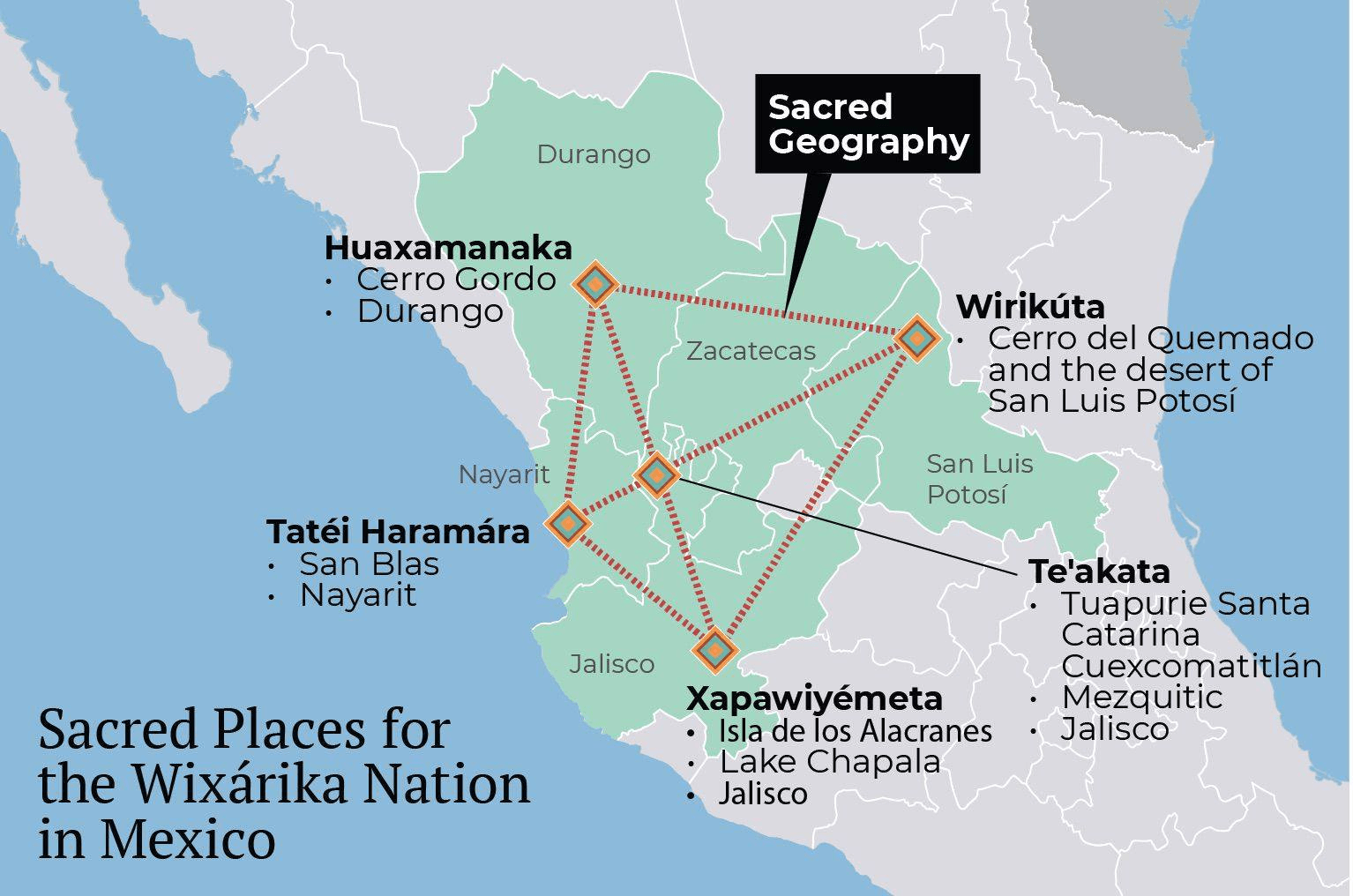
Mexican Indigenous Group Fights to Preserve Sacred Sites
The Huichol, or as they call themselves "Wixárika", are a native people who live in the western Sierra Madre mountains. They are known for the "Peyote Hunt" ceremony they hold every year, a journey spanning hundreds of kilometers through the desert to a place called Wirikuta, passing through various sacred sites along the way. For…
-
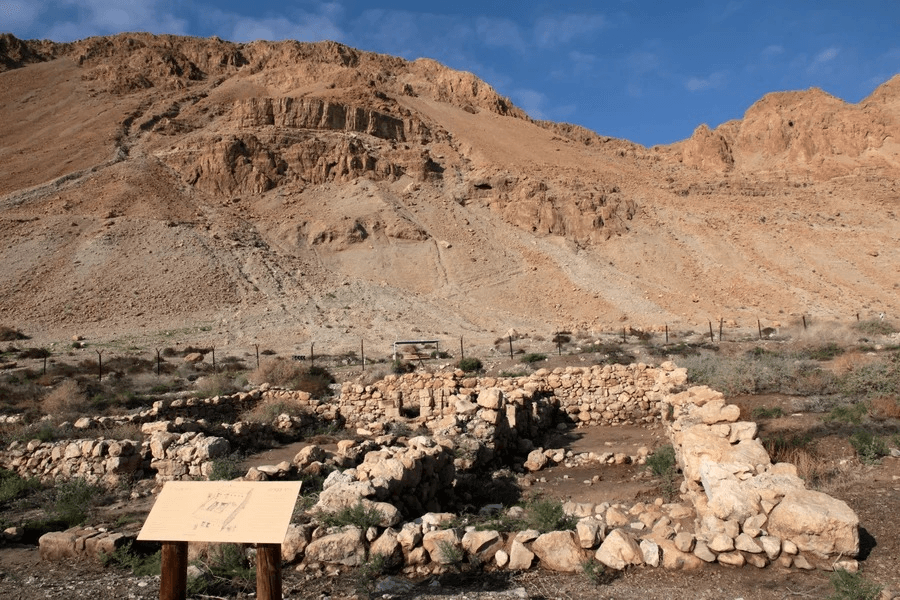
The Flora of Qumran: The Blasam tree in the Thanksgiving Scroll
The following post has no point other than to describe the flora of Qumran as reflected in the Thanksgiving Scroll, beautifully illustrating the concept of hidden knowledge as a spring of living waters, and why those who drink from this spring are ultimately expected to survive Judgment Day. The texts, according to Elisha Qimron, "Hebrew…
-
Mythology and Malaria
Ancient cultures around the world intertwined mosquito-borne diseases, such as malaria, with mythology. People used gods, demons, and supernatural forces to explain the spread of these diseases. In the second chapter of his book, "The Mosquito," recently translated into Hebrew and originally published in English in 2019, Timothy C. Winegard provides several examples. Mesopotamian texts…
-
Challenging Dan McClellan debunk of the Cannabis in Incense Myth
Dan McClellan is a Bible scholar who publishes videos in which he confronts misinformation about academic Bible and religion research. This time, he tackles the claim that the biblical incense included cannabis. According to McClellan, this claim is based on findings from the temple at Tel Arad and relies etymologically on the similarity between the…
-
Ancient Yahwism was actually a syncretistic Zoroastrianism
The podcast "Gnostic Informant" interviews Prof. Gad Barnea from the University of Haifa for his new article in the memorial book for Prof. Shaul Shaked. Prof. Barnea is supposed to release a new book on the topic at the beginning of 2025. Archaeological and textual evidence from the island of Elephantine in Egypt and other…
-
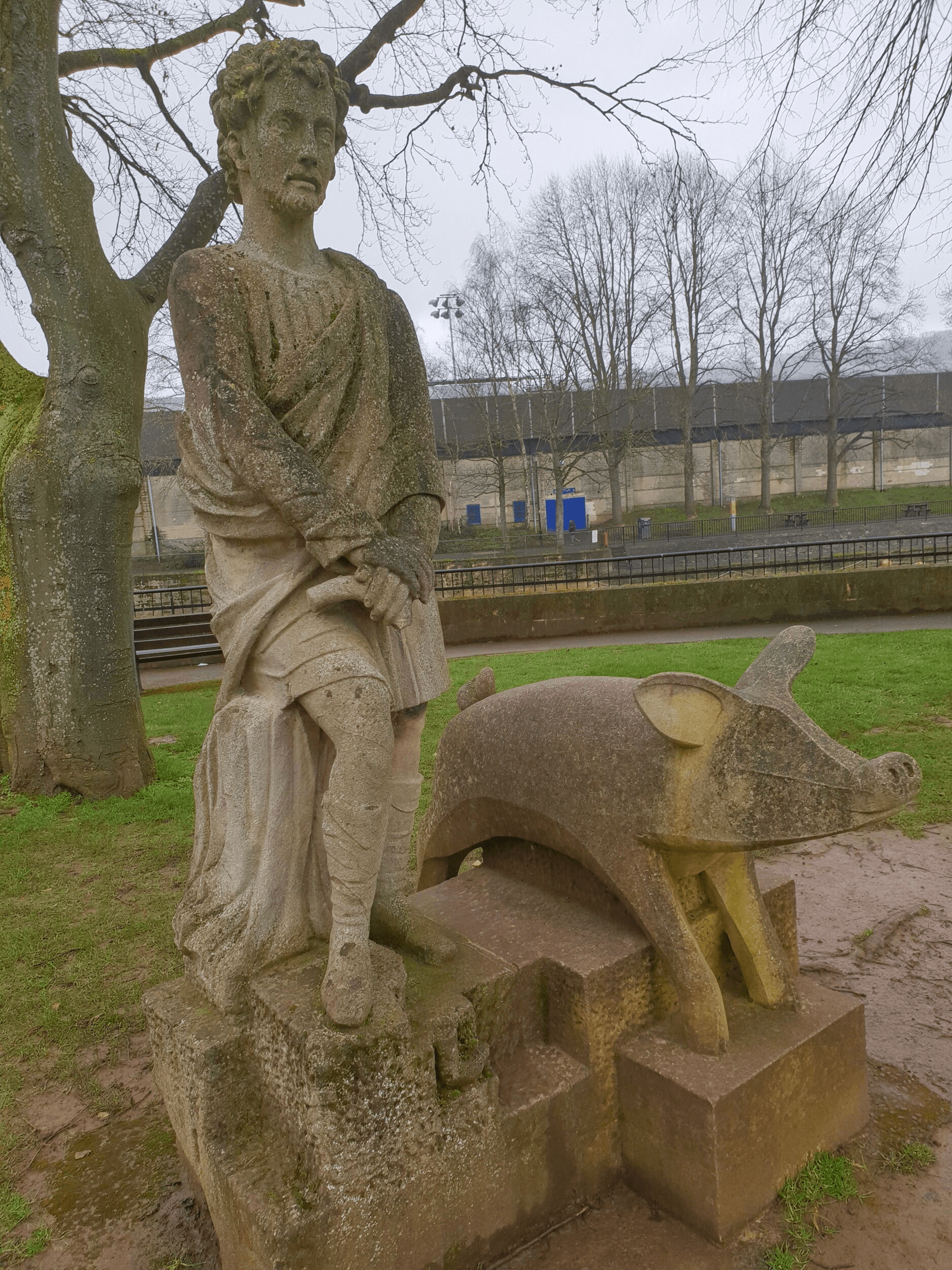
King Bladud myth as a psychedelic reference
King Bladud is a legendary king who supposedly ruled Britain in the ninth century BCE. Of course, there is no historical record documenting Britain during this period, and the closest thing to history are various medieval chronicles of the kings of Britain, although none before the 12th century mentions the pre-Roman era. Therefore, the only…